





Net zero leads Fu Ming Transport to win the new generation of logistics
From:Far Eastern Magazine/ Editorial Room
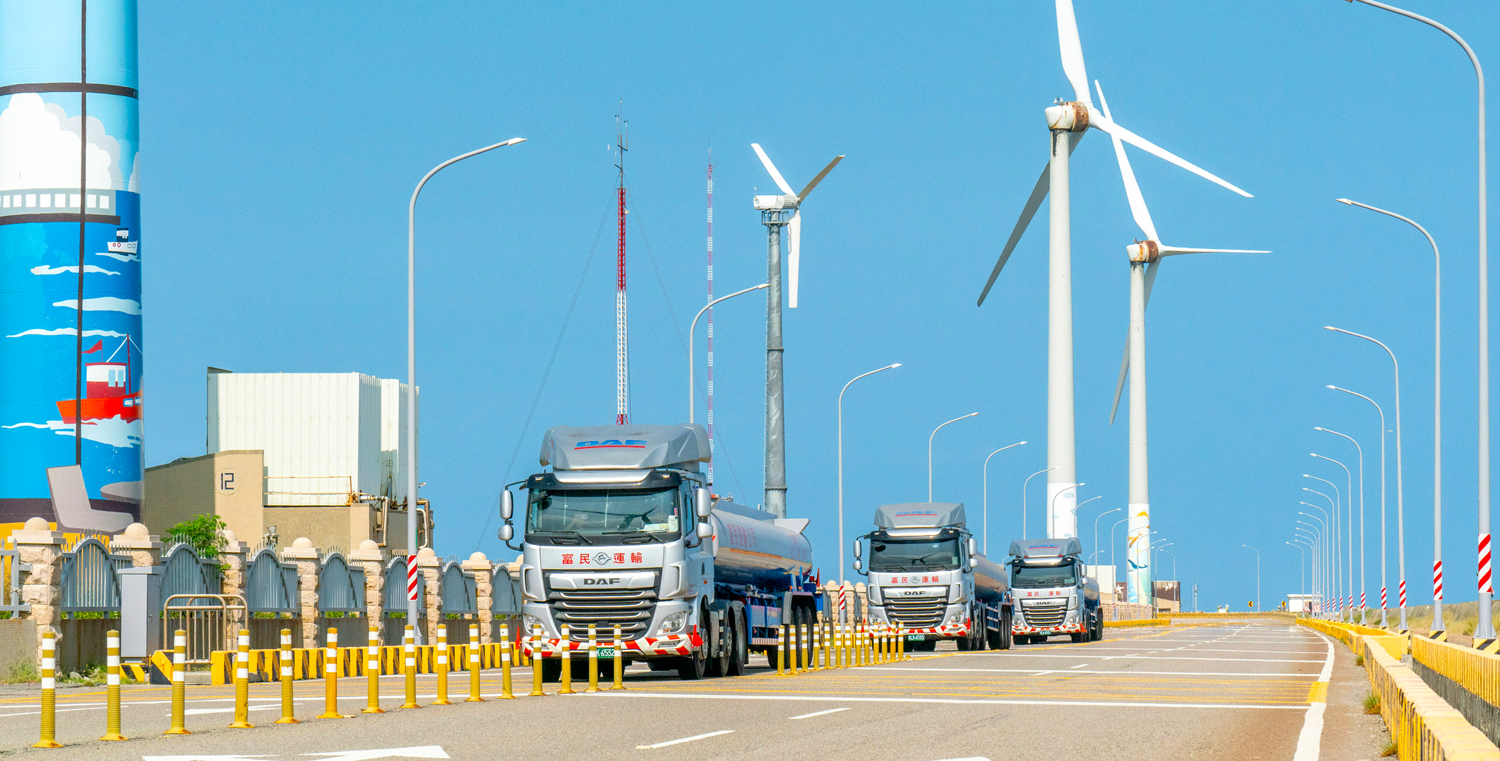 The transfer of port functions, labor shortage crisis, and increasing ESG pressure... Taiwan's transportation industry is experiencing a silent sector movement. This issue's "Cover Story" is shared by President Xu Wande of Fu Ming Transport, who discusses how a traditional transportation industry with a 60 year history can shoulder the responsibility of Far Eastern Group's supply chain green upgrade through low-carbon layout and digital transformation in the face of adversity.
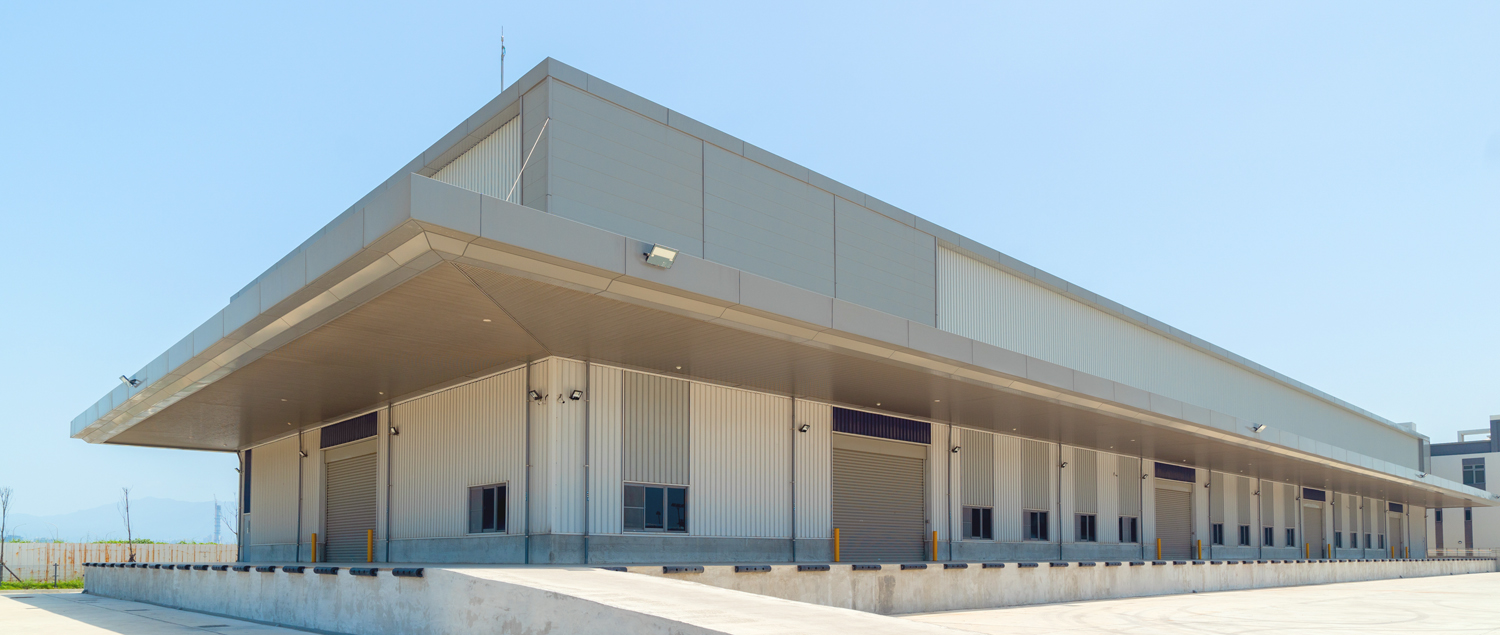 Hub restructuring: spatial economics towards ports and customers
The most eye-catching move of Fu Ming Transport in recent years is the completion of two important land layouts in succession, both located adjacent to ports. This is not accidental, but an active response to the structural transformation of port ecology. Our business logic is mainly based on three core considerations - the international economic and trade situation and the development of key industries, the direction of Taiwan's transportation construction, and the overall development strategy of Far Eastern Group
Observing that Keelung Port is gradually transforming from a freight port to a tourist and recreational port, the container hub function is bound to move southward to Taipei Port; The old port of Kaohsiung is also facing transformation pressure, and the intercontinental terminal is the future focus of freight transportation. Fu Ming Transport's response is to pre position their operations as close as possible to customers and ports before the trend becomes clear, in order to shorten the transportation radius.
For this reason, Fu Ming Transport has invested 480 million NTD in northern Taiwan to lease 12100 square meters of land from the entrance of the container terminal company of Taibei Port to the port company of Taibei Port, and operate in the mode of combining mining and operation. In the past, exported goods had to be loaded into containers at the factory, transported to Taoyuan or Keelung container yards, and then sent to the port; Now it is possible to directly enter Fu Ming Transport's Taipei Port warehouse for container loading and direct access to the terminal. More importantly, through flatbed truck transportation, the single load capacity can reach 24 tons, breaking the traditional limit of 18-20 tons for containers and reducing shipping costs by 10-20%.
In southern Taiwan, Fu Ming Transport purchased 7000 ping of land in Xiaogang District, Kaohsiung from Oriental Union Chemical Corporation. In the past, vehicles had to cross the city to reach the old port, which took nearly an hour and a half. Now, it only takes 15-20 minutes to arrive at the Intercontinental Port. The air travel distance and carbon emissions have both decreased, and it can also serve important customers such as Oriental Union Chemical Corporation in Linyuan District, Yuan Long Stainless Steel Corporation in Xiaogang District, and Sinopec nearby.
The configuration of "port area as logistics node" not only saves considerable land transportation costs, but also creates irreplaceable time and carbon reduction value for the industrial chain. With the future development of port transportation and industrial clusters, the vast hinterland can also be used by customs enterprises, creating group synergy.
 Practical Transformation: A Green Transition Period for Fleet Upgrading and Maintenance Innovation
 In today's world where carbon reduction has become a global consensus, the introduction of electric vehicles is seen as a key solution to achieving net zero in the transportation industry. However, President Xu pointed out that "at present, the price of an electric truck is equivalent to three traditional tractor trucks. If a charging system is to be installed in each business office, the cost of a single set is NTD 15-20 million, which is extremely high, and the battery life still needs to be improved, which relatively affects the transportation efficiency
Faced with this challenge, Fu Ming Transport has demonstrated practical wisdom. While waiting for the maturity of electric vehicle technology and cost reduction, we choose to start with fleet upgrades and maintenance efficiency. The company is accelerating the phase out of the fourth emission standard diesel vehicles and fully introducing vehicles that comply with the sixth emission standard of the European Union. This not only reduces carbon emissions by 80-90%, but also saves more than 200000 liters of fuel consumption per month. The average age of the vehicles has also decreased from 9-10 years to 6-7 years. Based on the average service life of European cars of 15 years, the Fu Ming Transport fleet is highly competitive in terms of hardware.
In addition, good maintenance not only reduces vehicle wear and tear, but also greatly benefits transportation efficiency and carbon reduction. Fu Ming Transport has set up its own maintenance plants in Hsinchu, Kuanyin, Taichung City, Kaohsiung, and Taipei Port to reduce the loss of trips and time caused by vehicle delivery for repairs. The technician's salary has also been changed to piece rate to improve maintenance efficiency. Recently, electric cars have been introduced to use the maintenance plant's own power supply for engine decarbonization and cleaning of trucks, replacing the previous practice of using two diesel generators. Combined with hydrated hydrogen ion decarbonization technology, combustion efficiency has been improved, and it is estimated that 2800 tons of carbon emissions and 10% fuel consumption can be reduced annually.
These seemingly detailed improvements accumulate to form significant carbon reduction results, which are transformed into dual advantages of operational efficiency and cost control.
Digital empowerment: combining data center and AI for intelligent scheduling
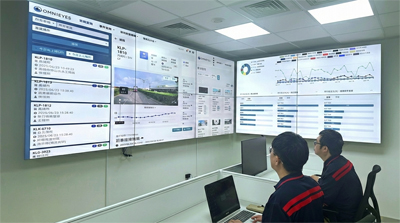
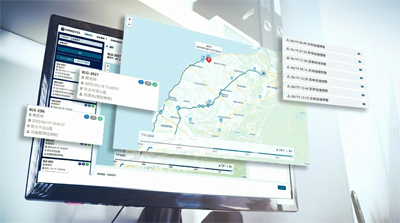
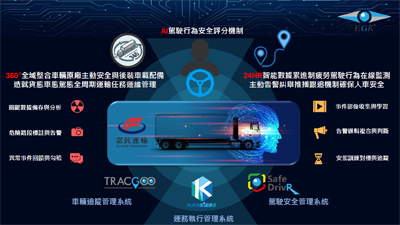 For the transportation industry, driving safety is of paramount importance, especially for projects undertaken by Fu Ming Transport that include hazardous materials such as high-pressure gases, oil products, and chemicals. Therefore, in addition to conducting strict health monitoring such as alcohol testing and blood pressure management before and after driving, the company has also fully introduced vehicle positioning systems with the popularization of GPS technology. In recent years, it has also established 24-hour shift driving control centers in Taichung City and the new headquarters of Taipei Port, integrating GPS, driving images, and collision prevention systems to monitor the situation in real time. Among them, the control center located in Taipei Port is Fu Ming Transport's "low-carbon dispatch brain". President Xu predicted that "in the future, we will further use AI to actively identify driving behavior parameters and issue warnings, replacing the traditional mode of highly relying on manual screen monitoring, and creating the core competitiveness of" safety in place, no exceptions "
At the same time, Fu Ming Transport, under the leadership of President Xu, is gradually promoting digital optimization, digital transformation, and AI intelligence. After the introduction of Microsoft 365 in 2025 and the systematic improvement of digital literacy for all employees, this year's focus is on integrating existing ERP and vehicle maintenance systems and other basic information to establish an enterprise exclusive 'data center'; By 2027, we will further advance to BI and AI data analysis platforms, as well as enterprise AI assistants, to strengthen internal management and customer service. In the future, in vehicle maintenance, the system can automatically broadcast maintenance notifications and reminders to avoid human negligence, which may lead to engine component wear and even carbon emissions increase; In terms of management and scheduling, orders in different formats can be converted into a unified format, and information such as vehicle time and load capacity can be actively pushed out to drivers and management personnel. The back-end human resources and financial settlement operations can also be greatly automated; On the client side, the system can be used to check the status and expected arrival time of goods at any time, improving the transparency of services and customer trust.
Sustainable Evolution: High Competitive Threshold for Organizational Resilience and Humanistic Management
In recent years, the downturn in petrochemical and steel industries has led to a significant decline in revenue for many transportation companies that specialize in a single type of goods. However, Fu Ming Transport has been able to grow against the trend and maintain a leading position in the industry. This resilience is mainly supported by the company's confidence in having a fleet of 12 types of transportation vehicles, including general containers, chemicals, steel, and cement, which can flexibly adjust according to the economic growth and decline of different industries.
However, President Xu also admitted that "our biggest challenge at present is not a lack of business, but a shortage of driving and management talents." Influenced by the magnetic attraction effect of high salaries in the technology industry, recruitment and retention of talents in traditional industries are becoming increasingly difficult. On the one hand, Fu Ming Transport simplifies its workflow through digital transformation, reduces manpower demand and workload; On the other hand, efforts are made to take care of drivers, provide comfortable rest areas, ensure stable income through a fair scheduling system, and even regularly invite visually impaired massage therapists to relieve stress for employees and maintain their physical and mental health.
In addition, in the face of increasingly strict ESG requirements, President Xu firmly believes that "only by staying ahead of regulations and customers can we continue to win their trust and long-term business trust." Therefore, Fu Ming Transport has established an environmental safety department to strictly implement wastewater treatment, energy conservation, and garbage classification, hoping to achieve the same or even higher transportation output with lower carbon emissions and raise the competitive threshold.
From land layout, fleet upgrading, digital transformation to human centered management, Fu Ming Transport is gradually constructing an operational model that combines efficiency, safety, and sustainability, demonstrating the resilience of traditional industries emerging from the cocoon. The next time you see Fu Ming Transport's well-organized transportation fleet on the highway, why not send encouragement and blessings to these unknown heroes who silently support Taiwan's economic lifeline.
#